The Centers for Advanced Orthopaedics is redefining the way musculoskeletal care is delivered across the region with locations throughout Maryland, DC, Virginia and Pennsylvania.
August 10, 2022
Concussions in Sports
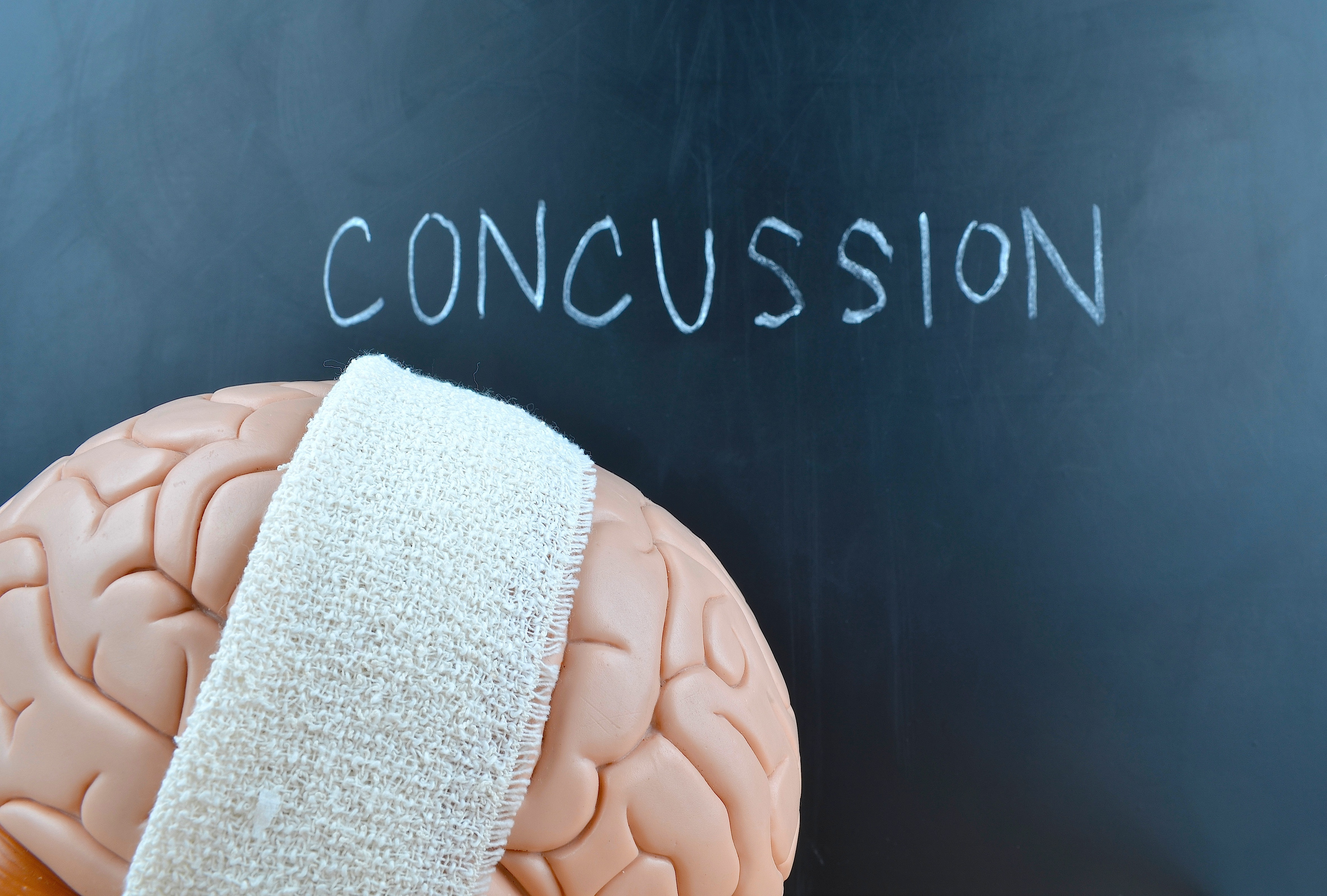 Fall is approaching which means football season and soccer will be in full effect. We wanted to share with our patients some information about concussion injuries. According to the CDC, each year 3.8 million sports- and recreation-related concussions occur.
Recent research, conducted by the CDC, found that of the 300,000 sports-related traumatic brain injuries occurring each year to youth ages 14 and under, approximately 75% are diagnosed with concussions. A high school athlete that has sustained a concussion is 3x more times likely to sustain a second. Effects can be cumulative for those who return to play too soon prior to complete recovery. Presence and severity of the headache symptoms can indicate severity of the head injury and help guide return to play.
A concussion is a type of traumatic brain injury (TBI), induced by a bump, blow, or jolt to the head or by a hit to the body that causes the head and brain to move rapidly back and forth. This sudden movement can cause the brain to bounce around or twist in the skull, creating chemical changes in the brain and sometimes stretching and damaging brain cells. When compared to adult athletes, youth athletes' developing brains are physiologically different than those of adults and take longer to recover from brain trauma. Younger athletes in earlier stages of body development have weaker necks and torsos making them more susceptible to develop concussions.
Little is known about the magnitude of head acceleration necessary to cause a concussion or the cumulative effects of repeated head impacts. It has been found that NFL players can experience up to 100 Gs of force several times throughout a game, however, not all of these athletes are diagnosed with concussions. While most youth athletes do not experience this intense of contact, they do experience a wide range of hits that can result in concussions. Whether they are numerous small hits or few large impact hits, every hit can be detrimental to the development of a young child’s brain. Additionally, the more concussions a youth athlete may receive, the longer it will take them to recover. With a large number of youth athletes participating in contact sports, it is important to investigate areas that may improve the safety of this population.
With the recent increased media attention on concussion injuries, new rules are being implemented at all levels of participation. Recognition of concussion signs and symptoms and return to play (RTP) guidelines have been enforced in a number of youth football leagues. Yet, there are still a high number of concussions that occur at the youth level. Lack of education, both by parents and children, can contribute to longer recovery times and increased risk of injury in youth athletes.
Sign and symptoms include:
- headache
- blurred or double vision
- dizziness, balance problems, or trouble walking
- slow to answer questions
- slurred speech
- nausea or vomiting
- not remembering what happened
- feeling ill
Some delayed symptoms occurring hours or days after include:
- trouble focusing
- learning or memory problems
- sensitivity to light
- headache that gets worse
- sleeping problems
- mood changes - feeling sad, upset, or easily angered